
Leather Tanning: What is Needed for a Sustainable Future
Every piece of leather carries a story before it ever reaches your hands.
Before it becomes a bag you carry for a decade, a story starts with a hide from an animal and a craft old enough to predate written language. That craft is called tanning, and it's the reason leather can be shaped, worn and lived in without ever breaking down.
At Range Revolution, we think the tanning process deserves more attention than it usually gets, because it's where a lot of what you love about a well-made bag comes from: the way it feels on day one, and the way it looks after ten years of use.
What Is Leather Tanning?
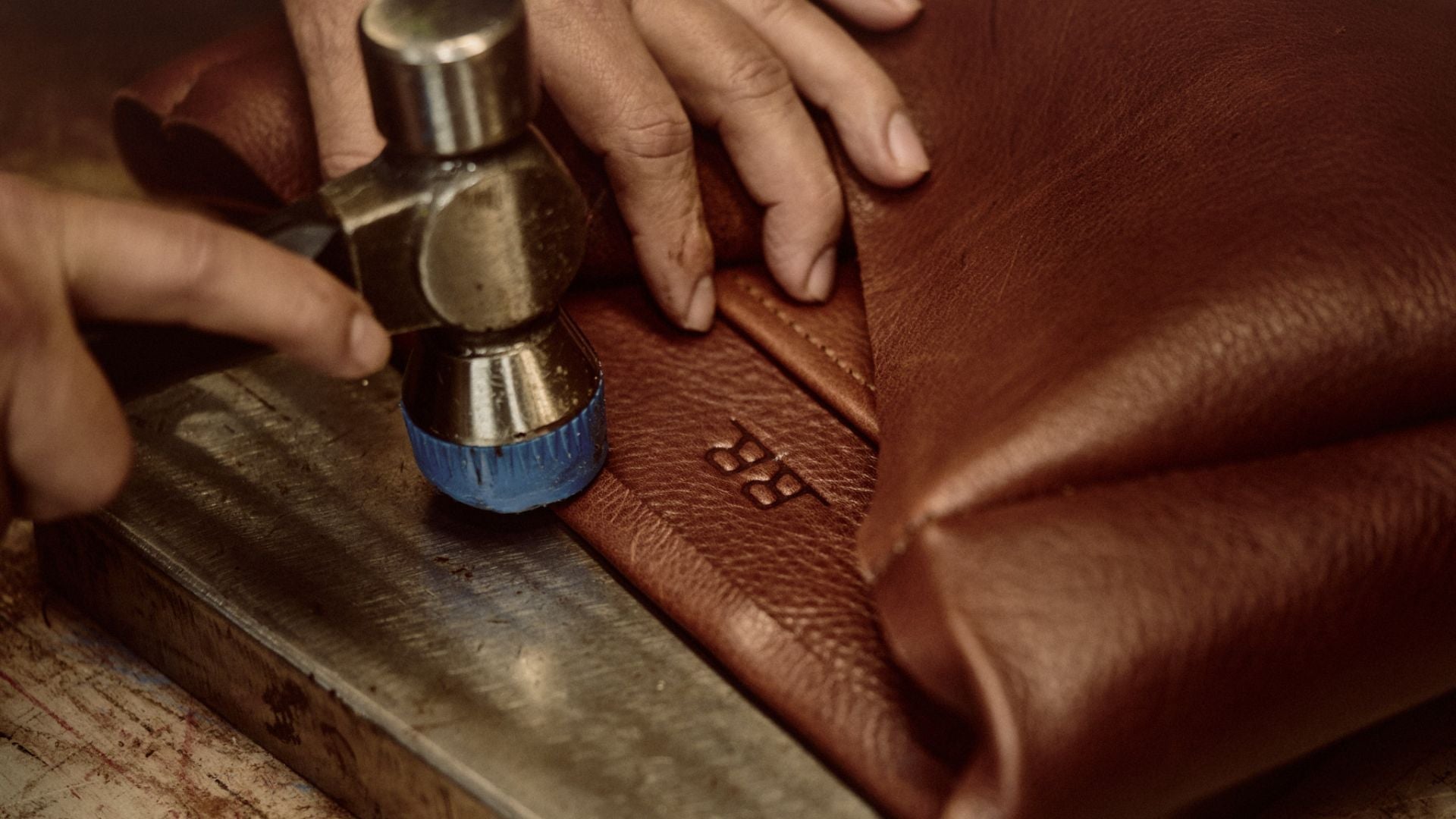
Tanning is what turns a raw, organic hide into leather that can be cut, sewn, carried, repaired and kept for years instead of decades of decomposing in a landfill. Left untanned, a hide is simply matter. It stiffens, breaks down and eventually disappears. Tanning stabilizes the fibers within the hide, transforming something perishable into something built to last.
This is ancient work. Long before modern tanneries, people preserved hides with smoke, natural oils, bark and leaves. Methods shaped by geography and necessity. Over centuries, that instinct evolved into distinct tanning traditions, each suited to different materials and different lives a piece of leather might lead.
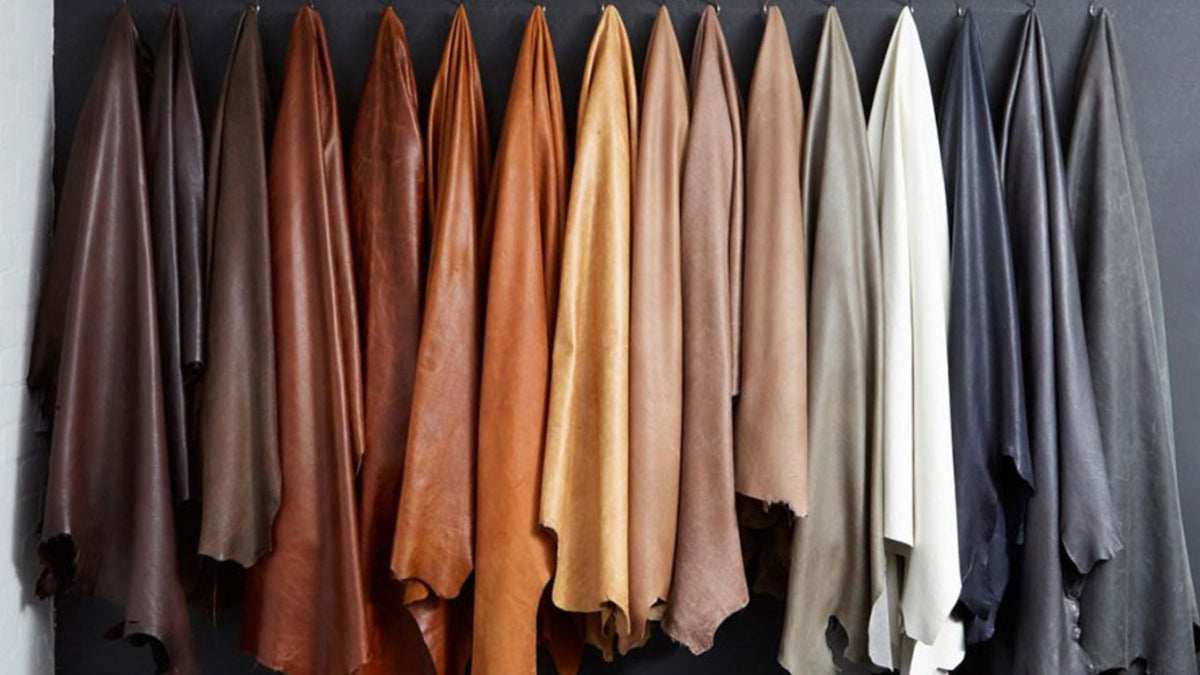
The method used shapes nearly everything about the finished leather: the color, its hand feel, structure, how it holds up to the elements and how it ages. A structured bag calling for rich patina asks something different of its leather than a boot built to handle the elements and daily wear. The right question isn't "which tanning method is best", it's "which tanning method is right for this material and the life it's meant to live."

Vegetable Tanned Leather
Vegetable tanning is one of the oldest tanning methods still practiced today, using tannins drawn from natural plant matter like bark and leaves to preserve the hide.
It's a method we have a real soft spot for at Range Revolution, because it produces leather with depth, structure and character that only gets better with time. Vegetable tanned leather is built to patina — to darken, soften and deepen in tone with sunlight, touch and years of use. Every mark and shift in color is evidence of a life well-lived, not a flaw to hide. It's the difference between a bag that stays the same and a bag that becomes more beautifully, unmistakably yours.

Chrome Tanned Leather
Chrome tanning is a more modern method, using chromium salts to stabilize the hide. It's widely used because it produces leather that's soft, flexible, consistent in color and more naturally resistant to water and everyday wear and tear.
That performance has real value. Particularly for footwear, suede, and pieces that need to hold up against the elements. Chrome tanning isn't a shortcut; it's a different set of tradeoffs suited to a different job.
It's worth pushing back on the idea that chrome tanning is automatically "less sustainable" while vegetable tanning is automatically "better." The truth is more nuanced: the real impact of any tanning method comes down to how the tannery is run, the responsibility of its waste systems and the supply chain surrounding it, not the tanning agent alone.
Range Revolution is proud to work with family-run tanneries operating under the highest standards for both the environment as well as the people who perform each step of the leather tanning process.
Vegetable Tanned vs. Chrome Tanned Leather: What's the Difference?
These two methods aren't competitors. They're built for different purposes, and neither one is the universal right answer.
Vegetable tanned leather is prized for structure, natural character and a patina that deepens beautifully with age. The kind of leather that rewards a lifetime of use.
Chrome tanned leather is prized for softness, flexibility, water resistance and color consistency. Qualities that matter most in footwear and suede.
The right leather good is designed around how it's meant to live in the world. A daily carry bag, a suede accessory and a pair of boots each ask something different of their material, and a thoughtful maker chooses the tanning method to match.

How Tanning Shapes Patina, Performance and Longevity
The way a hide is tanned shapes how it behaves for the rest of its life.
Some leather is designed to show its story. It deepens in color where it's held most, softens at the edges and develops a patina that is earned, not rushed or manufactured. That kind of aging is what turns a bag into a forever piece, something more personal every year you carry it.
Other leather is built for performance in harder conditions. Resisting moisture, movement and frequent wear. In those cases, flexibility and resilience matter more than a dramatic patina.
Both paths can lead to genuine longevity, as long as the piece is well made and well cared for. Leather done right isn't leather that never changes. It's leather that can be maintained, repaired and carried for years instead of discarded after a season.
What Actually Makes Leather Tanning More Sustainable?
Sustainability isn't only about what happens inside the tannery. It's about the entire system behind the hide.
Where did the hide come from? Was it treated as waste, or given a meaningful second life? Can it be traced back to its source? Are the ranchers, tanners and makers behind it held accountable to real standards? And is the finished product actually designed to last, or built to be replaced?
At Range Revolution, our answer starts before the hide ever reaches the tannery — with traceable, regeneratively sourced American leather. Every hide we use can be traced back to the exact ranch it came from, sourced through partners practicing regenerative agriculture. We treat the natural variation in tone, grain and texture as the whole point, not an imperfection to correct.
That's the shift we think the leather industry needs: judging a material not just by what happens at the tannery, but by the land it came from, the ranching practices behind it and the life the finished piece goes on to live. A more responsible future for leather means moving away from disposability, and toward pieces that are made to be used, repaired, loved and kept.